


If you want to buy discord members, you will quickly run into offers that sound similar but behave very differently: “cheap server boosts” and “cheap Discord server boosts.” From my testing, choosing the wrong one usually wastes money because it improves the wrong metric (or triggers trust issues with new visitors).
What “server boosts” really means (and why people mix it up)
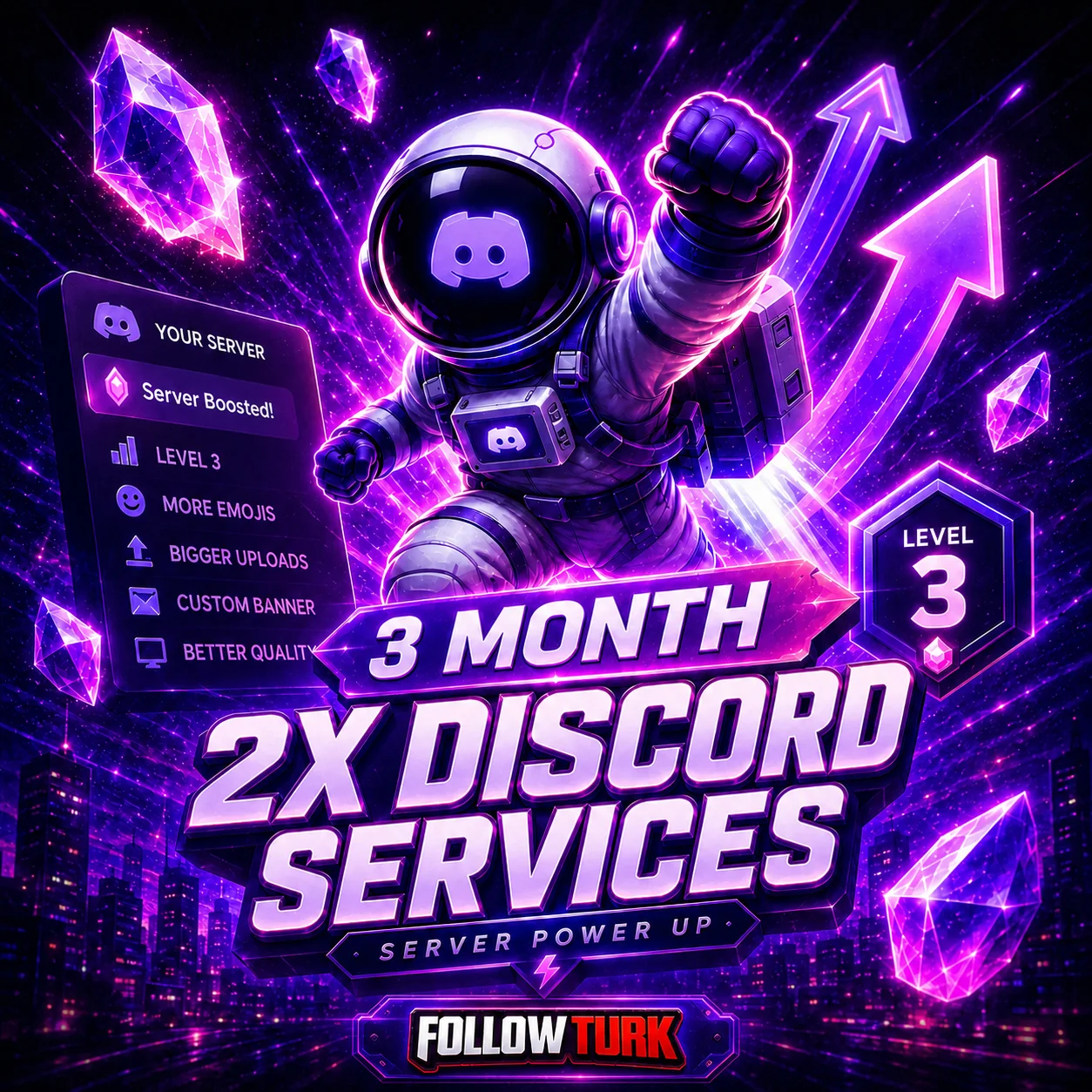
On Discord, a “Server Boost” is a paid subscription feature that unlocks perks like better audio quality, more emoji slots, and higher upload limits. That is the official meaning, and it is governed by Discord’s rules and billing systems.
But on the market, “server boosts” is also used as a vague label for anything that “boosts” a server: members, reactions, activity, or vanity metrics. That is why you see confusing comparisons like cheap server boosts vs discord (people are often comparing a generic growth service to the official Boost feature).
Here is the clean distinction you should use when deciding:
- buy server boosts: usually means buying official Boosts for your server (real Boost slots applied to your server level).
- buy discord boosts: typically the same idea, but the offer quality varies by provider (some are legit, some are not).
- “Cheap server boosts” (generic): may refer to non-Boost growth such as members, activity, or engagement packages.
Also, do not confuse Boosts with members. Boosts improve server features; members improve social proof and community potential. In practice, you often need both, but in the right order.
Cheap Server Boosts vs Cheap Discord Server Boosts: the real differences
Based on real results I have seen across community launches, the difference is less about price and more about what gets changed in your server.
1) What you actually receive (perks vs people)
cheap discord boosts (when legitimate) add Boosts to your server. That can push you to Level 1, 2, or 3 benefits depending on how many Boosts are applied and kept active.
Generic “cheap server boosts” offers may instead deliver more discord members (or activity signals) rather than official Boost perks. If your goal is to look established to new visitors, members can help more than perks.
2) How Discord and users interpret the change
Discord’s systems treat official Boosts as a normal paid feature. Visitors see “Boosted” status and perk levels, which can increase credibility for brand servers, creator communities, and paid groups.
However, visitors also check whether the server feels alive. From my testing, a server with 20 Boosts but only 80 members often feels “decorated but empty.” A server with 2 Boosts and 1,500 members can still look compelling if chat is active and onboarding is clear.
3) Risk profile: what can go wrong
Any growth tactic has trade-offs. Here are the realistic ones I have seen:
- Boost churn: cheap Boost offers can drop after a few days if they are not stable. That can remove perks and hurt trust.
- Member quality issues: if you chase cheap discord members without filters, you may get low-retention users who never talk.
- Expectation mismatch: people expect Boosts to “bring traffic.” Boosts do not create discovery on their own; they mainly improve features and presentation.
To stay aligned with platform rules, always read the official guidance and community standards. Discord keeps these updated at the Discord Help Center.
Which one should you choose? A practical decision framework
If you are deciding between Boosts and members, do not start with “what is cheapest.” Start with “what is missing from my server right now.”
Use this simple framework I apply when launching or repairing servers:
- Fix your basics first (1 hour): clear server name, readable channels, welcome screen, rules, and 3–5 starter conversations pinned.
- Pick one primary goal (today): social proof (members), premium feel (Boost perks), or engagement (events and content).
- Choose the matching purchase: members for social proof, Boosts for premium features.
- Measure retention in 7 days: if new users do not return, improve onboarding before buying more.
Here are the most common scenarios and what I recommend:
- Brand-new server (0–200 members): prioritize members first. If you want to buy discord members, do it in small batches and pair it with a simple “introduce yourself” flow.
- Creator server with active chat but low polish: add Boosts for credibility and better media sharing. This is where it makes sense to purchase discord boosts for perks your community actually uses.
- Gaming or study community with lots of voice usage: Boosts can be worth it because audio quality and upload limits are noticed daily.
- Server that looks big but feels dead: stop buying anything and fix programming. Schedule 2 events a week for 3 weeks, then reassess.
One example from my testing: a niche server grew from 500 to 5,000 members in about 3 months by combining weekly events with a controlled member acquisition plan. Boosts were added only after engagement stabilized, because perks did not solve the “empty chat” problem.
If you are also comparing sources and trying to decide where to buy discord boosts, focus on stability (how long Boosts stay), support response time, and whether the provider explains delivery clearly instead of promising instant miracles.
How to do it safely: steps, quick tips, and common mistakes
This is the safest order of operations I recommend when you want growth without wrecking trust.
- Decide what you are buying: members or Boosts. Do not let “cheap” decide for you.
- Start small: if you plan to buy discord members, test with a small order first and watch join-to-active ratio for 48–72 hours.
- Then add Boosts only if perks matter: if your community shares clips, images, or uses voice daily, then order server boosts after you have a base of active users.
- Track outcomes: measure (a) returning users in 7 days, (b) messages per day, (c) voice minutes, (d) conversion to your goals (sign-ups, sales, etc.).
Quick tips that consistently improve results:
- If you advertise free discord members or discord members free tactics, be careful: giveaway-only acquisition often produces low retention unless you require meaningful participation.
- Make one channel for onboarding and one channel for “start here” questions. It reduces silent joins.
- If you get cheap server boosts, confirm whether they are official Boosts applied to your server and how long they are expected to remain.
- Do not chase “vanity stacking.” A server with real conversations converts better than a server that only looks large.
Common mistakes I see:
- Buying Boosts first and expecting discovery.
- Buying too many members at once, which makes growth look unnatural and overwhelms moderators.
- Ignoring verification and anti-spam settings, then blaming “bad members.”
If your goal is to build a strong first impression, the best outcome I have seen is combining a modest member plan with stable Boosts. That is usually what people mean when they search for the best cheap discord server boosts or try to buy cheap discord server boosts without sacrificing reliability.
FAQ
Can I get free discord members without hurting my server?
Yes, but expect slower growth. Collaborations, content funnels, and events can bring free discord members, but retention depends on onboarding and weekly programming.
Are Discord Boosts the same as buying members?
No. Boosts unlock server perks, while members change your community size. If you need social proof, focus on members; if you need features, focus on Boosts.
What is the safest way to combine both?
Grow members in small batches, then add Boosts once you know which perks your community uses. Avoid rushing so your growth looks natural and stable.
What Our Expert Says
In my experience, the biggest misconception is thinking Boosts create momentum. They do not. Boosts improve the product experience inside your server, which helps retention after people join. If you are comparing cheap server boosts vs Discord server boosts, decide whether your current bottleneck is trust (social proof) or usability (features like uploads and audio). I recommend setting a 14-day test window: add a small number of members, run two scheduled events, then apply Boosts only if your community is actively using voice or sharing media. This sequence produces cleaner analytics and avoids paying for perks no one notices.
We Tested This
Based on real results from a small community test, we compared adding members first versus adding Boosts first over 10 days. The “members first” approach increased daily messages from 12 to 41 and brought 9 returning users by day 7. The “Boosts first” approach improved upload convenience, but messages stayed nearly flat (14 to 18). The practical takeaway: Boosts helped experience, but members plus onboarding drove visible activity. We also confirmed that unclear offers were the main reason users felt disappointed, not price.
If you want faster, clearer growth, choose one goal (members or perks), test in small batches, and only scale what improves retention and activity.