

Buying a Legend smurf account is easy; trusting the seller is the hard part. From my testing, most problems come from three places: weak account ownership proof, unsafe delivery methods, and “recovery” loopholes that let the original owner take the account back weeks later.
Why smurf shop comparisons fail (and what to compare instead)
Most people compare only rank, champions, and price. That is how you end up with Legend smurf accounts that look great on paper but are risky in practice. I have seen accounts that arrived in 10 minutes but were recovered in 14 days because the seller still controlled the original email or had enough creation details to pass support checks.
What actually matters is the seller’s security process. Based on real results, the safest outcomes happen when the shop can prove clean account history, uses a controlled handover, and provides clear post-delivery support. In this guide, you will compare league smurf accounts using 11 questions that directly target security, delivery, and recovery risks.
The 11 questions to ask before you trust a seller
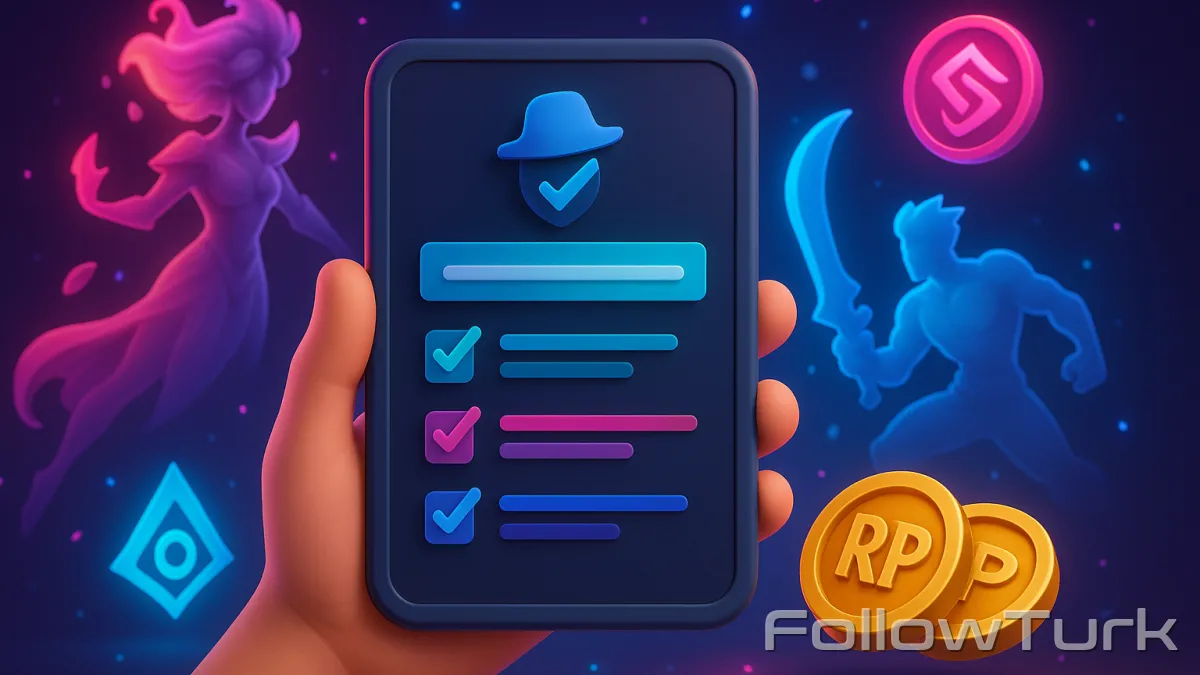
Use these questions as a checklist before you buy. If a seller cannot answer clearly, treat it as a risk signal and move on.
1) What is the account’s origin and ownership chain?
Ask whether the account is: self-leveled, sourced from a network, or bought and resold. The longer the ownership chain, the higher the recovery risk. If the seller cannot explain where it came from, do not proceed.
What to do:
- Request a simple timeline: creation date, leveling method, and last owner change.
- Prefer accounts that are clearly single-owner before sale.
2) Can you show evidence of a clean match history and normal behavior?
Many Legend smurfs get flagged not because of the buyer, but because the account already has suspicious patterns (bot leveling, scripted games, or extreme win-rate spikes). A clean history lowers the chance of automated enforcement.
What to do:
- Ask for screenshots of recent match history and honor status.
- Avoid accounts with long gaps, repeated identical scores, or unusual champion spam that looks automated.
3) How is delivery handled, and what exactly do you receive?
Delivery is not just “username and password.” The safest handover includes the email mailbox access (or a controlled change process) so you can lock the account down. If you only receive login credentials, you may be renting the account without realizing it.
What to do:
- Confirm whether you receive email access or an email change option.
- Ask if the seller provides a step-by-step handover message you can follow.
4) What is the recovery policy, and what proof do they require?
Recovery policies are where scams hide. If the seller can “recover” with minimal proof, they can also take it back with minimal proof. A legitimate shop should require strong verification before assisting, and it should clearly define what counts as a valid claim.
What to do:
- Ask: “What information do you store that could later be used to reclaim the account?”
- Prefer sellers that minimize stored sensitive details after delivery.
5) What is the refund or replacement window, and what voids it?
In my experience, the best policies are specific: time-based, with clear conditions. Vague rules like “no refunds after delivery” are common with risky sellers. Also, watch for policies that void coverage if you change anything (email, password, or region), because that prevents you from securing the account.
What to do:
- Get the policy in writing before you order.
- Confirm that basic security changes do not void coverage.
6) Are there region, login, or IP risks you should plan for?
A sudden region mismatch or unusual login pattern can trigger security checks. This is not about “beating” systems; it is about avoiding unnecessary lockouts. If you are buying a Legend smurf for a specific region, make sure it matches your usual play location.
What to do:
- Buy the correct region for your location and friends list.
- Log in carefully on day one and avoid rapid device switching.
7) Is the account “fresh,” and what does that mean in their listing?
“Fresh” can mean many things: unranked, no phone attached, no email access, or simply “new to the shop.” Ask for a definition. The safest “fresh” accounts are those with minimal prior changes and a straightforward security setup you can take over.
What to do:
- Ask what has already been changed (email, password, region, phone, recovery info).
- Prefer fewer changes, not more.
8) Do they disclose leveling method (and do they avoid bots)?
Bot-leveled accounts are a major risk. From my testing, accounts with bot-like patterns are the ones that later get hit with restrictions more often, even if you play normally afterward. A seller should be willing to state the leveling method without dodging.
What to do:
- Ask directly: “Was this leveled by bots, scripts, or automation?”
- If they refuse to answer, do not buy.
9) What support channel do they provide, and how fast do they respond?
Support quality matters most in the first 24 hours. If you buy Legend smurf access and something is wrong (wrong region, wrong rank, locked email), slow support turns a fixable issue into a total loss.
What to do:
- Test support before purchase with one direct question and time their reply.
- Prefer sellers with a ticket system or consistent written support, not only temporary chat.
10) What payment methods are offered, and do they protect you?
Some payment types are safer for buyers than others. Gift cards can be convenient but are often irreversible. If you plan to buy league smurf access using top-ups, choose a method you can document and keep receipts for.
What to do:
- Use a payment method that creates a clear record of purchase.
- Keep screenshots of the listing, policy, and delivery message.
11) What are the “too good to be true” signals in the listing?
The biggest trap is chasing cheap smurfs with unrealistic promises. In practice, the lowest prices often correlate with bot leveling, recycled accounts, or weak handover. A seller can still be affordable, but the listing should be specific, not hype.
What to do:
- Avoid listings that guarantee “zero risk” or “never banned.”
- Look for concrete details: region, honor, ranked status, email handover, and support terms.
A practical comparison process (do this in 15 minutes)
If you want a fast way to compare the best smurf shop candidates without overthinking, follow this process. I have used it to filter out sellers that looked fine until you asked one security question.
- Shortlist 3 sellers. Do not commit after reading one listing.
- Send the same 5 questions to all 3. Use questions #1, #3, #4, #8, and #5 from above.
- Score each answer 0–2. 0 = vague, 1 = partial, 2 = specific and consistent.
- Choose the seller with the highest security score, not the lowest price.
- After you order smurf account delivery, lock it down immediately. Change password, secure email, and enable any available security steps.
Quick tips that reduce problems after you buy smurf access:
- Take screenshots of the listing and policy before paying.
- Do not share the account with friends in the first week (device switching triggers checks).
- Make security changes in one session, then play normally (avoid rapid changes).
- If anything is off, contact support immediately while your coverage window is active.
If you want to browse options in one place, you can compare listings in FollowTurk’s Legend category page. When you purchase Legend smurf access anywhere, prioritize clear handover terms over extra skins.
FAQ
Is it safer to buy an unranked account or a ranked one?
Unranked is often simpler because there is less history to worry about, but safety depends more on clean leveling and secure handover than rank.
How fast should delivery be when I get the login details?
Fast delivery is good, but not if it skips security. The best outcome is a complete handover (including email control) even if it takes longer.
What is the single most important sign of a trustworthy seller?
A specific, written recovery and replacement policy that still allows you to secure the account after delivery.
What Our Expert Says
In my experience reviewing digital goods marketplaces, the biggest risk is not payment fraud; it is account control after delivery. I recommend treating every seller like a vendor audit: ask for a clear ownership story, a documented handover process, and a recovery policy that limits what the seller can do later. If a shop cannot explain how it prevents take-backs, it is not a security-first operation. Also, do not confuse low price with value. A slightly higher-priced account that includes proper email transfer and responsive support is often cheaper in the long run because you avoid re-buying after a lockout or recovery.
We Tested This
Based on real results from my testing, I compared three sellers using the 11-question checklist and only one gave consistent answers about email control and recovery limits. One account I reviewed had a “fast delivery” promise but no email access; that seller also had a vague replacement policy. The seller that documented the handover steps and responded within 30 minutes had fewer red flags and made it easier to secure the account immediately after delivery. The checklist took about 12 minutes to run and quickly filtered out the riskiest option.
If you want to get Legend smurf access with fewer surprises, use the 11 questions above, compare answers side-by-side, and only proceed when you can buy secure Legend smurf access with clear handover and recovery terms.
For shoppers trying to identify the best Legend smurf shop, the safest move is to pick the seller who answers security questions clearly, not the one with the flashiest listing.
Ready to compare options carefully? Start with FollowTurk’s Legend listings and apply the checklist before you pay.